
Our Approach
Shaped by Place. Built for Life.
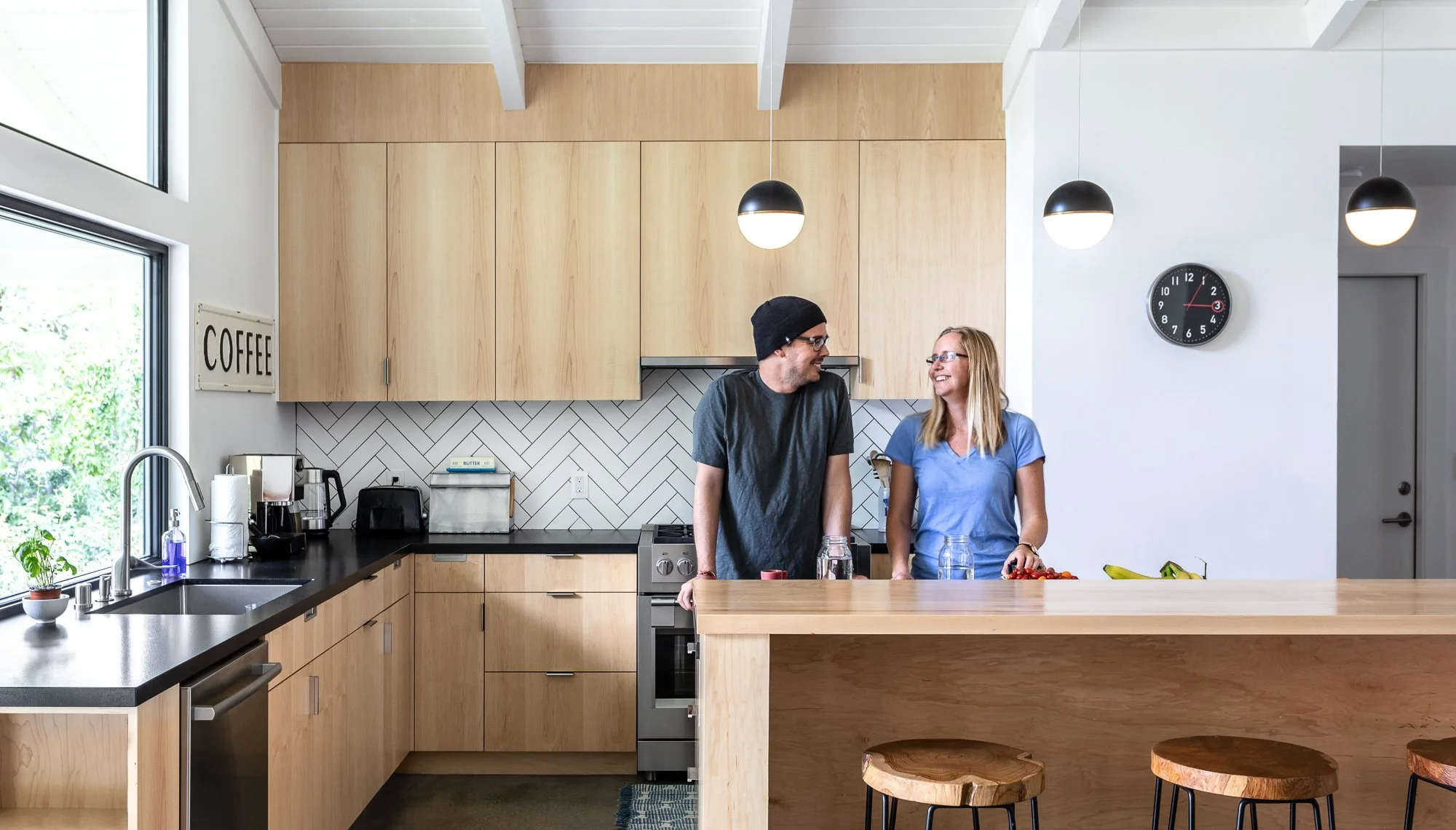
Atmosphere Design Build is an integrated architecture and construction firm rooted in the landscapes of Northern California. We create site-responsive homes that are shaped by the climate, the land, and that are specifically designed for the lives of the people who inhabit them.
We practice architecture as a relational act – developing meaningful relationships with our clients through the process of designing and building homes for them. The story of a place and the aspirations of our clients guide the work, supported by our expertise in site-specific architecture and building science. Our approach is conceptually rigorous and materially grounded, allowing ideas to be expressed through assemblies and construction details. We believe clarity emerges when form, structure, and energy performance are developed together rather than in isolation. We value restraint over excess, durability over novelty, and buildings that age with dignity rather than demand attention. Performance is not an aesthetic; it is a responsibility—to our clients, to the craft of building, and to the land itself.
Our Expertise
-
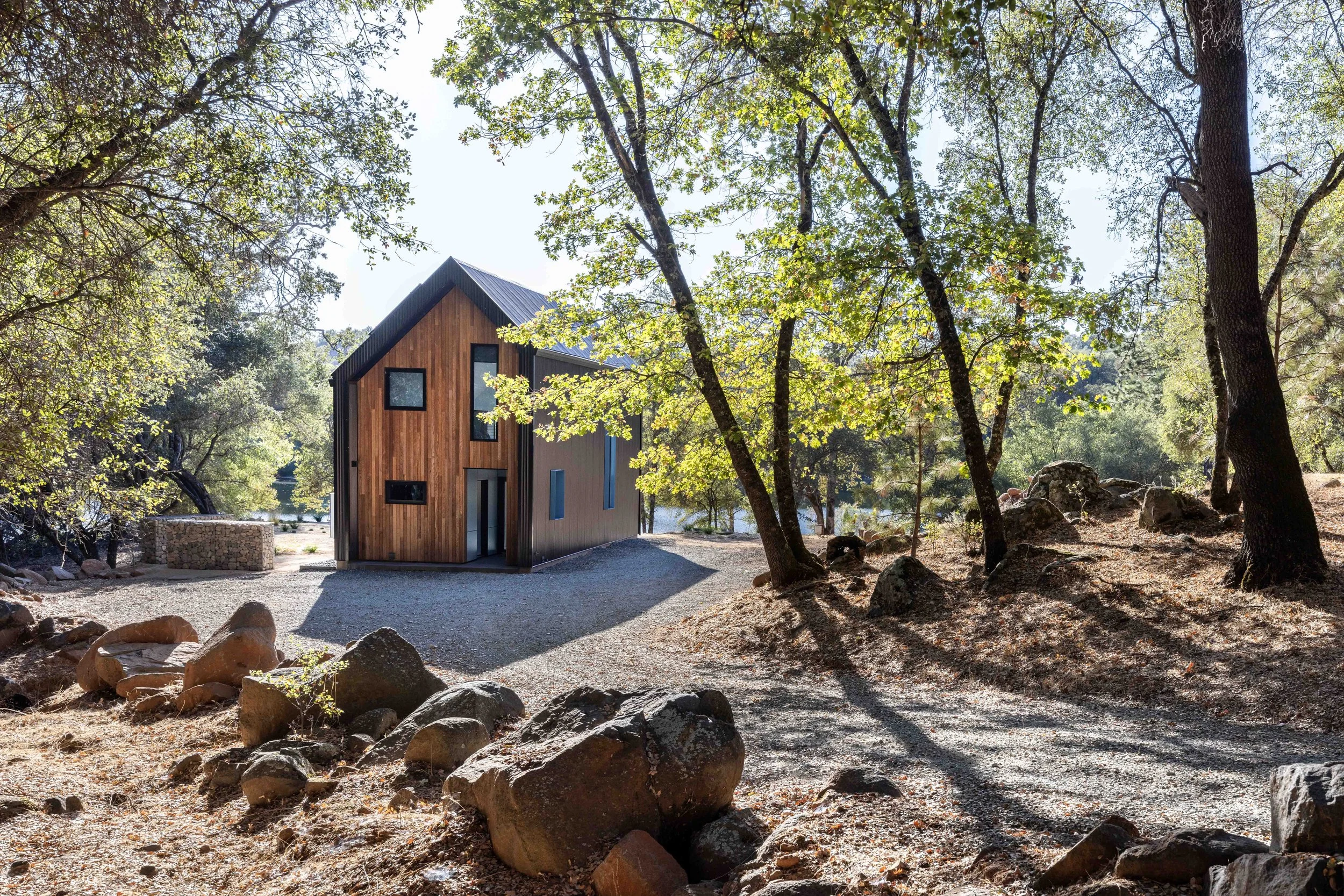
From the Sierra Foothills’ dry rolling oak woodlands to the high snow fall, upper montane, of Donner Summit, our region spans a wide range of climates. We approach each project with a close reading of its place, responding to microclimate, topography, and seasonal variation. Our designs are attentive to climate requirements and respond with forms and assemblies that work with the site conditions, rather than applying a one-size-fits-all approach.
-
Wildfire resilience is an essential consideration, embedded in both our design thinking and construction methods. We think about fire resilience as part of the whole– it extends beyond material selection to include siting, envelope detailing, defensible space, and landscape strategy. Many of the same strategies that improve energy efficiency, comfort, and indoor air quality also strengthen a building’s ability to withstand wildfire—one of the key synergies of high-performance design.
-
High-performance building is central to our practice. It reflects a response to climate change and the desire to reduce the energy consumption of the built world. Guided by principles such as proper orientation, continuous insulation, airtightness, high-performance windows, and balanced ventilation with heat recovery, these homes can reduce heating and cooling demand by 50–90% compared to conventional buildings, while creating resilient, healthy, exceptionally comfortable homes. For us, high performance is a practical approach—rooted in Passive House principles but tailored to our climate and our clients.
-
Passive House (Passivhaus) is the leading global benchmark for energy-efficient construction. It is a standard that is achieved by reaching verifiable metrics, guided by a set of design principles for attaining a rigorous level of energy efficiency while also creating comfortable and healthy buildings. We have been early adopters of these principles, becoming certified Passive House Consultants through PHIUS in 2009, and offer in-house expertise to guide projects through certification when desired.
-
Net-zero energy is achieved when a building produces as much energy as it consumes over the course of a year. High-performance buildings are inherently low energy consuming buildings, making net-zero energy consumption easily attainable. By first minimizing demand through a high-performance envelope and efficient all-electric systems, we right-size on-site renewable energy systems to create resilient, low-carbon, homes that are buffered from utility cost increases.
-
Through airtight construction and balanced mechanical ventilation (HRV/ERV systems), we control air leakage while delivering a continuous supply of filtered fresh air. This approach removes stale air, reduces pollutants, and maintains a stable, healthy indoor environment—even during wildfire smoke events or periods of poor outdoor air quality.
-
Low-carbon construction extends beyond reducing a home’s operational energy use to address its full carbon footprint. As buildings become more energy efficient and require less energy to operate, the embodied carbon—the emissions associated with material extraction, manufacturing, transportation, and construction—becomes an increasingly significant part of the overall impact. We prioritize selecting finish material that is made in region or grown locally – using natural materials and supporting regenerative practices.